The cravings (discussed in Thread 1) aren't new, but having to choose where they get met is new.
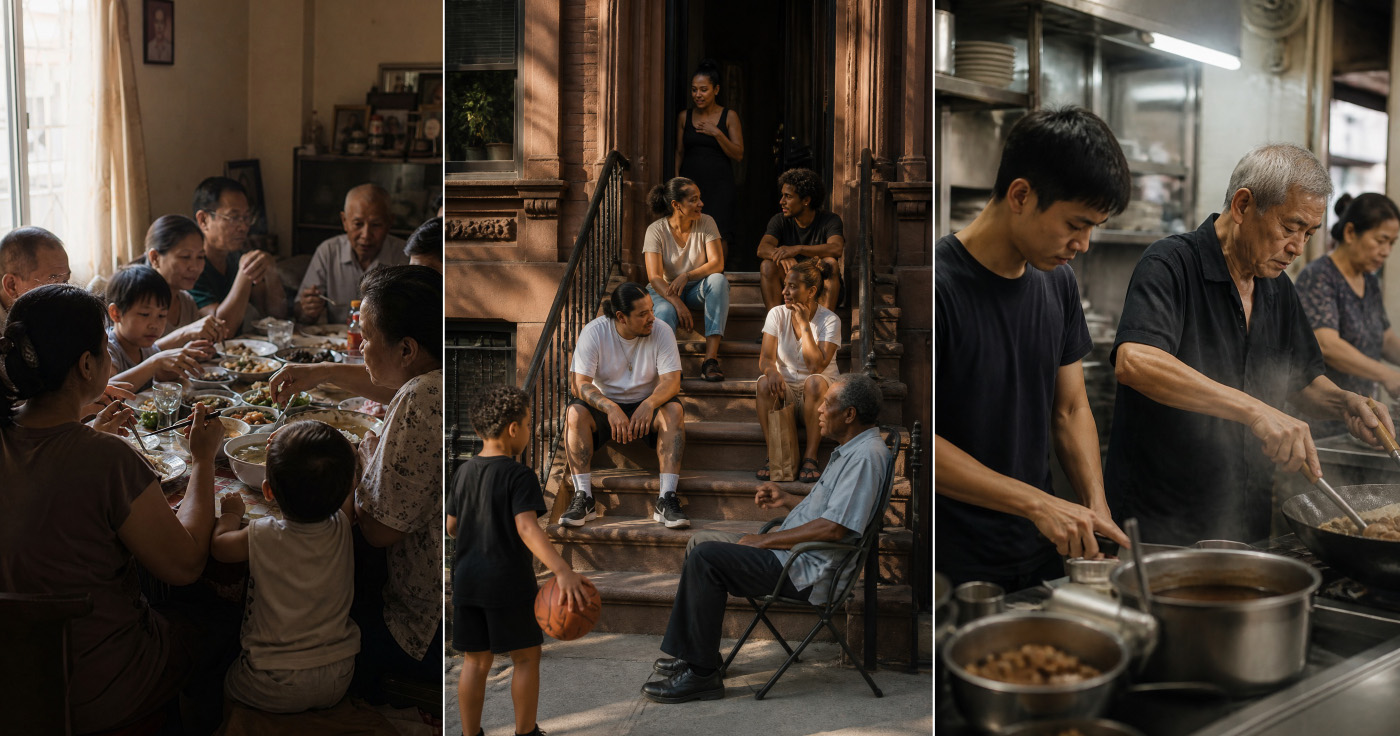
Ordinary life used to provide most of what people now buy a ticket to feel. You didn't need to pick your village, you were just in it. Sat around a table you didn't choose. On a street that knew your name without asking. Work that still knew you. Connection, recognition, grounding, a sense that what you did counted... these weren't products. They were the weather of life.
That weather changed.
Now we can reach anyone anywhere in the world from the phone in our pocket. (And even see them!) We curate what we let in. We don't have to go anywhere, because most everything can come to us. The world got small enough to fit in a pocket, and the choosing got large. Perhaps overwhelming. Over several decades the supply side shifted — eroded in the name of efficiency, and sold back to us as personalization. The cravings didn't thin with the supply. We brought them with us, arriving hungrier. Still asking for a good time, but still unable to order "belonging" by name at the window.
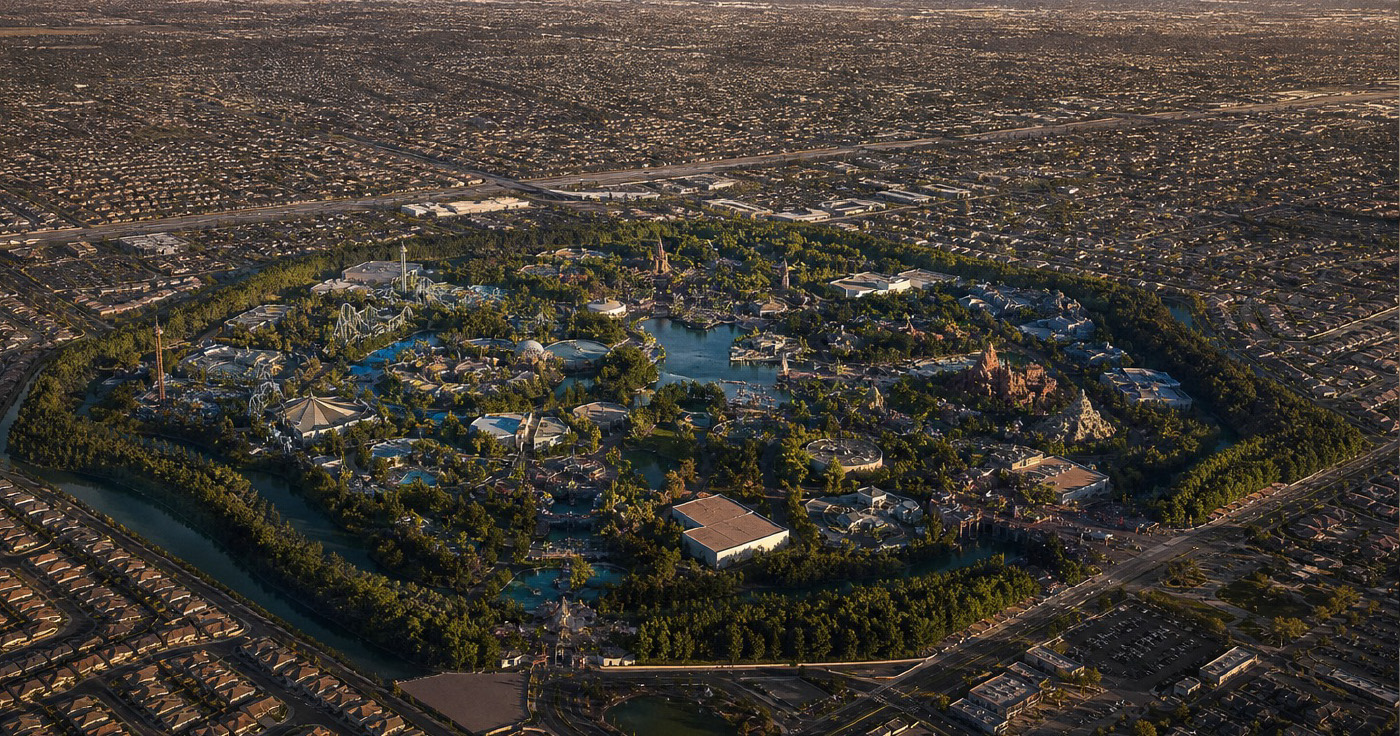
The places we build aren't a treat on top anymore. They're among the few left where those hungers can still be met on purpose. A room, a park, an entire resort... Places we prepare. Set apart by a threshold people choose to cross.
I don't think we appreciate that enough.
We discussed in Thread 1, that before anyone walks through our door, they walked out of their own. Human needs still push people out. The visit doesn't create the looking, it inherits it.
That inheritance changes what the work is. We're not inventing desire. We're receiving people who already left the house for a reason they may not be able to name. Personalization sold them a custom feed and called it "community." Efficiency sold them convenience and called it a "full life." Neither is evil, but both leave a gap that a crafted hour can fill... if we build for the gap, not just for the ticket.
Chosen belonging is historically new for most people. Ancestors were born into a people, a place, a shared table. Exiting was rare and costly. Modern life lets us enter and leave friend groups, jobs, neighborhoods, fandoms, and faith communities with a few taps. That freedom is real, but so is the clumsiness of that method. We're still learning how to assemble our lives on purpose. Wellness programs often promise to make that skill available for purchase. Places with a threshold can help you practice it.
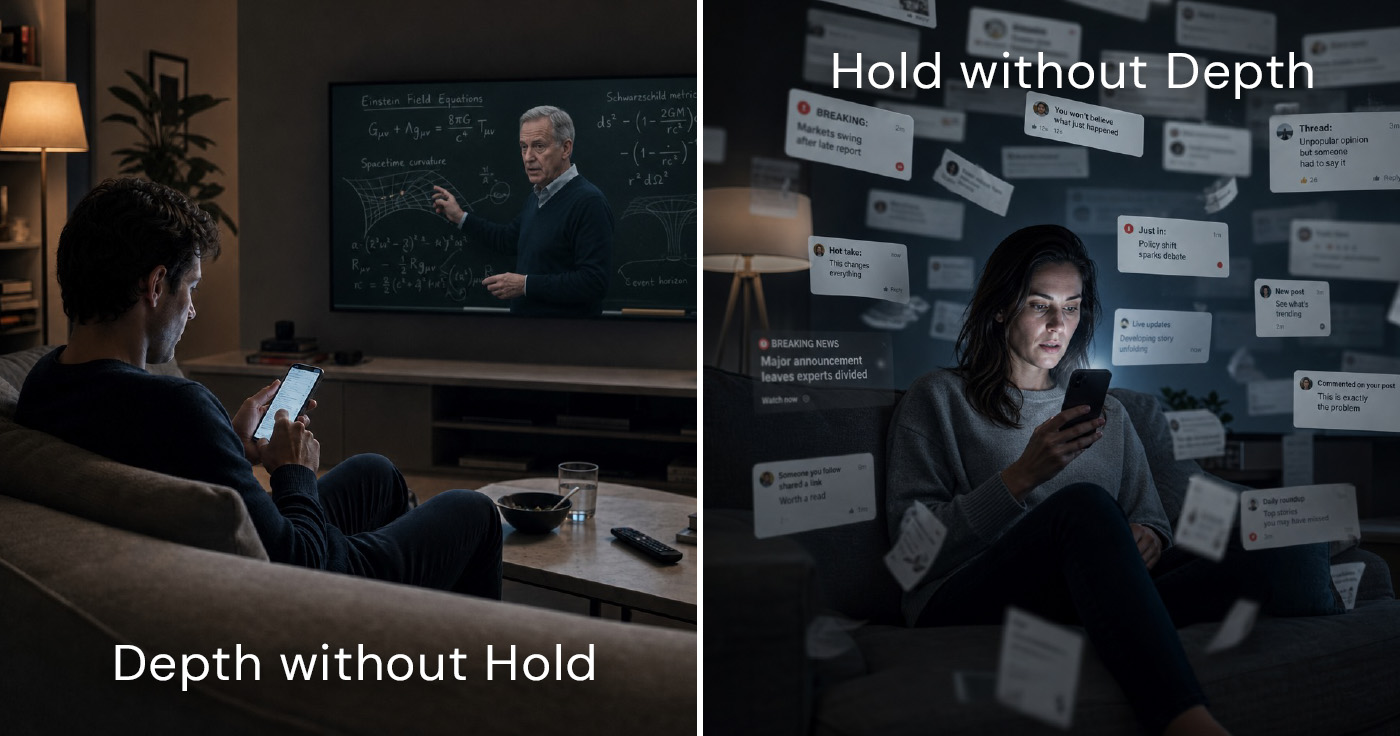
In-person mediums (like LBEs, museums, theme parks, and immersive experiences) provide a unique offering. Pretty much everything else in a guest's week offers either depth without hold, or hold without depth. The long read we skim the TL;DR for, or the three-hour deep dive video playing in the background... Or the constant barrage of notifications, headlines, and hot takes that capture us through novelty and urgency... What we build in-person may be one of the last things in a guest's life right now that can do both at once. Fully present, inside something deep. Deep enough to matter, present enough to be reached. That's a choice we get to make on purpose.
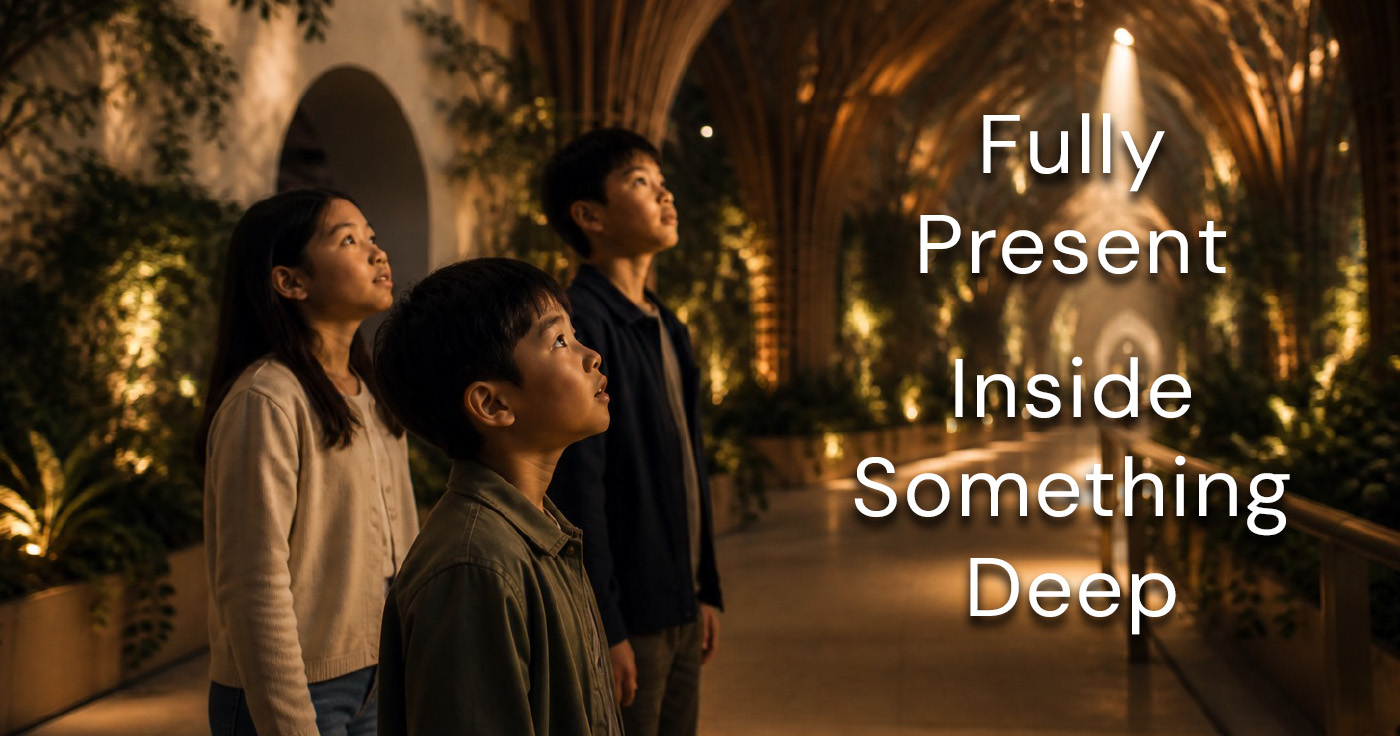
The point isn't that parks and museums should become villages. (Although, I think there is a real opportunity right now to provide spaces for communities to blossom.) It's that people now arrive having already chosen to leave a smaller, more curated world. They crossed into ours. That choice is the looking. Our job isn't to invent it, but to meet it with something that belongs to more than the hour they paid for.
If your project still thinks of itself as a treat on top of a full life, look closer. The life outside is thinner than it used to be. That's not a sales line, it's a supply condition. You can design for guests who are already looking, or keep designing for guests who only wanted lunch.
What are they looking for when they leave the house? And which part of that looking does your experience actually answer?